A car crash can change your life in seconds, but you don't have to face recovery alone.
A crowded Houston rodeo gate, a festival walkway, or a packed carnival lane can turn dangerous fast. If you were knocked down, squeezed between moving people, or injured when a crowd surged, the facts around your case matter more than the label someone puts on it.
Understanding Your Rights After a Festival Injury
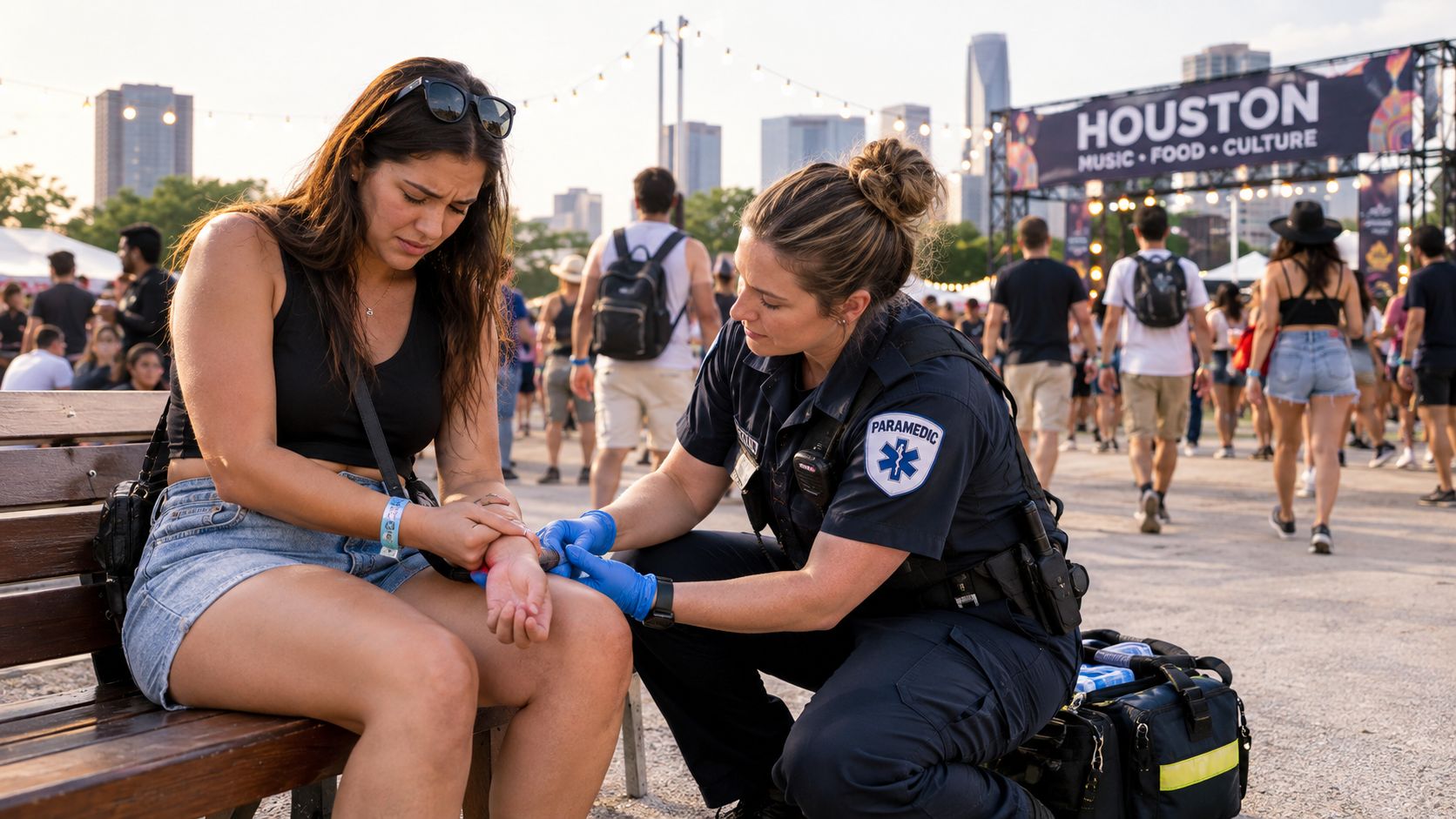
A woman can be doing everything right, staying with friends, walking where staff pointed her, and still end up on the ground after a sudden crowd push. I've seen how fast a fun night becomes a medical emergency when people move toward a bottleneck, a barricade shifts, or a route backs up without warning.
That kind of injury can leave you shaken, embarrassed, and in pain all at once. It also raises a legal question that matters under Texas law, whether the people controlling the event owed you reasonable care because you were there as an invitee.
Practical rule: if the venue invited the public in for a ticketed event, food, rides, or entertainment, the law usually starts by asking what safety steps the owner or controller should have taken for that crowd.
Texas courts describe the invitee duty as reasonable care against premises conditions that create an unreasonable risk of harm that the owner knew about or should have discovered. That matters because a festival injury is not just about being hurt in a crowd. It is about whether the event operator, venue owner, or another controlling entity failed to handle a known or discoverable hazard.
The legal case often starts with simple facts you can document right away. What entrance were you near. Who was directing traffic. Was the walkway blocked, dark, or compressed. Those details can make the difference between a weak story and a serious claim.
If you're trying to sort through photos, texts, and videos after the incident, a practical resource like how festivals collect guest media can help you think about the kinds of crowd-sourced images and clips that may exist before they disappear.
A Houston injury lawyer can help you connect the event conditions to your medical care, your lost time, and the people or companies that may be responsible. If your injury happened during a festival or rodeo, you're not overreacting by asking questions early.
The Four-Stage Liability Methodology for Crowd Claims
A strong houston rodeo and festival crowd injury premises claim needs more than a hard story and a hospital bill. It needs a clean method. In practice, I use a four-stage approach that mirrors how Texas premises cases get tested in practice.
Stage one, classify your status
Start by showing you were an invitee. That usually fits spectators and paying guests because the event was open to you for a business purpose. The status matters because it triggers the duty of reasonable care discussed by Texas courts.
Stage two, identify the dangerous condition
Then pinpoint the condition that caused the injury. In a crowd case, that might be crowd compression, an obstructed route, poor lighting, unstable barricades, or an unsafe temporary structure. General statements that “it was crowded” usually don't carry the case very far.
A claim gets stronger when it identifies the exact hazard, the exact place, and the exact moment the crowd became unsafe.
Stage three, prove knowledge
Next, show the venue or event operator knew or should have known. That proof often comes from incident logs, prior complaints, inspection records, staffing plans, security reports, surveillance footage, and event-specific risk assessments. The Texas Real Estate Research Center's summary of proof requirements tracks that same structure, unreasonable risk, actual or constructive knowledge, failure to use reasonable care, proximate cause, and damages, as reflected in the Texas Supreme Court decision at the Court's premises-liability opinion.
Stage four, connect breach to medical harm
Finally, connect the safety failure to your injuries through eyewitness testimony, biomechanics, EMS records, and a venue-layout timeline. That is where many claims succeed or fail. If the evidence only says you were “trampled,” but doesn't show density, flow direction, or a bottleneck, the defense has room to argue the injury came from something else.
A useful comparison is Construction Zone Accidents on Houston Highways. Those cases also turn on who controlled the hazard, who had time to fix it, and whether the danger was documented before the crash or injury.
For event cases, a crowd-management review should look at planned and actual pedestrian flows, entry and exit capacity, bottlenecks, barrier placement, staffing positions, radio logs, emergency-access routes, surveillance coverage, and escalation decisions, much like a crowd management events planning guide would advise.
If you've already spoken with an attorney about another venue injury, such as the type discussed at https://www.houstonaccidentlawyers.net/2026/10/09/houston-stadium-and-arena-event-injury-premises-claim/, the same control-and-notice issues usually matter here too.
Texas Comparative Fault and Damages Explained
Texas uses modified comparative fault under Civil Practice and Remedies Code Chapter 33. In plain English, that means the fact finder assigns whole-number responsibility percentages to each claimant, defendant, settling person, or responsible third party, and each defendant usually pays only its share. If your own responsibility is greater than 50%, you can't recover.
That rule matters in crowded-event cases because more than one actor may have contributed. Event organizers, security contractors, vendors, temporary-structure companies, other attendees, and even the injured person can all be part of the fault analysis.
What liability and comparative fault mean
Liability means legal responsibility for harm. Comparative fault means the law reduces recovery to reflect each party's share of blame. Those are not the same thing, and defense insurers often blur them when they try to shift attention onto the injured person.
A Houston driver rear-ended on I-45 might fight over fault between two drivers and an insurer. A festival guest hurt in a surge may face a broader fight over crowd control, security, crowd behavior, and whether the venue had the power to intervene.
How damages work in Texas
Chapter 41 governs exemplary damages, which are meant to punish especially blameworthy conduct and deter it. Texas requires clear and convincing evidence of fraud, malice, or gross negligence, and gross negligence means an extreme degree of risk plus actual, subjective awareness of that risk and a decision to proceed anyway.
Ordinary damages are different. They compensate for recognized losses, including medical bills, lost earnings, pain, mental anguish, and impairment. Chapter 41 also places limits on exemplary damages, with a cap tied to economic and noneconomic losses, and with the greater of $200,000 or a formula-based amount as the general ceiling under the statute.
Bottom line: ordinary negligence can support a compensatory claim, but punitive exposure needs proof that someone knowingly pushed forward despite an extreme risk.
For a broader explanation of fault allocation, see the firm's page on comparative fault definition.
Preserving Evidence and Operational Controls
The first thing I tell injured clients is simple, save what you can before it disappears. Crowd cases are won and lost on operational proof, not just on whether the walkway looked busy in one photo.
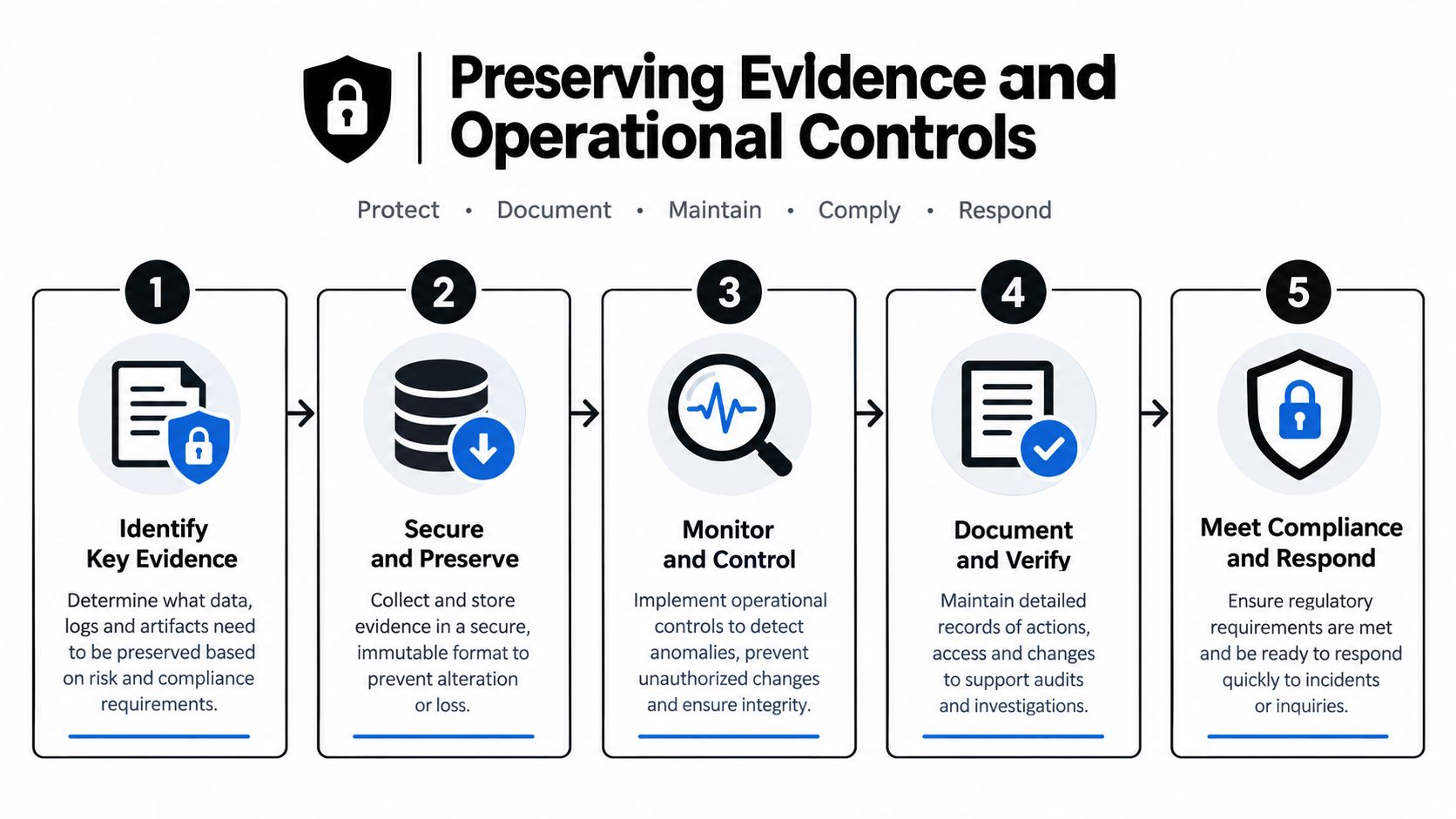
The best record set starts with the venue's crowd-management plan, attendance and ticket-scan data, security vendor contract, training records, incident and near-miss reports, weather records, medical-response timestamps, and every video you can identify before routine retention deletes it. If the event involved a surge, a gate closure, or a rowdy crowd, the timing of warnings and intervention becomes especially important.
What to request right away
- Footage and logs: Ask for surveillance, phone video, radio traffic, and incident logs before they cycle out of routine retention.
- Control documents: Get the crowd-management plan, staffing plan, barrier placement records, and emergency-access routes.
- Witness and location proof: Save names, phone numbers, screenshots, and photos that show where you were and who was nearby.
A practical investigation then tests the claim against planned and actual pedestrian flows, bottlenecks, staff placement, and escalation decisions. A crowd-dynamics expert can reconstruct whether a foreseeable hazard developed and whether a reasonable control could have reduced the risk.
That's where many cases improve. Not because the event was busy, but because the evidence shows a specific missing control, who had authority to use it, and what should have happened earlier.
Navigating Waivers and Insurance Challenges
A waiver does not automatically end your claim. The first issue is scope, because a document signed by an exhibitor or participant is not always the same thing as a spectator ticket term, and each document can cover different parties, risks, and consent language.
The 2026 Houston Livestock Show and Rodeo indemnity form, for example, contains broad release language aimed at exhibitors and participation in activities, but that does not by itself prove every attendee accepted the same terms. The central question is whether the document clearly covers your situation and your injury theory.
Insurance companies often lean hard on that confusion. They may argue you assumed the risk, that the venue was not in control, or that another attendee caused the harm. Your response should stay focused on who controlled the hazard, what the document says, and whether the claim involves negligent crowd management, security, an unsafe ride, an assault, or a response failure.
A waiver also doesn't replace the harder analysis. If the injury came from a concealed crowd-control failure, a security breakdown, or a delayed emergency response, the document may not answer the case at all.
Keep the ticket, confirmation email, posted terms, photos, medical records, witness names, and every message with event staff. Those details often matter more than the waiver itself.
If you're still organizing records, even something like legal virtual assistants may be useful to understand how busy injury firms sort documents, although the legal issue remains the same, preserve the proof and read the fine print carefully.
Next Steps for Seeking Legal Representation
Texas generally gives you two years from the date the claim accrues to file a personal-injury lawsuit under Civil Practice and Remedies Code §16.002. That deadline matters because missing it can bar an otherwise valid claim, even when the injury is serious.
Your immediate steps should stay practical. Get medical care, follow up on treatment, keep every bill and wage-loss record, save photos and messages, and notify the parties and insurers who may be responsible. Then have a lawyer evaluate liability, comparative fault, damages, releases, and available coverage before you settle anything.
If a festival or rodeo crowd knocked you down, a Houston car accident lawyer or Texas injury attorney can still help if the case involves broader personal-injury issues, insurance disputes, or even a wrongful death claim after a fatal event injury. A clear claim process protects you from pressure tactics and helps preserve video and electronic records before routine retention deletes them.
A prompt review also helps separate what happened from what the insurer wants to call it. For example, a crowded walkway, a sudden surge, and a delayed response can create a very different case than a simple accident story. The details matter.
The Law Office of Bryan Fagan, PLLC handles Texas injury claims with a focus on evidence, liability, and recovery options. If you were hurt at a Houston rodeo or festival, visit The Law Office of Bryan Fagan, PLLC to talk through your options and get guidance on what to do next.
If you were injured in a crowd at a Houston rodeo or festival, The Law Office of Bryan Fagan, PLLC can help you sort out liability, preserve the right evidence, and deal with insurance pressure. Visit The Law Office of Bryan Fagan, PLLC to discuss your situation and take the next step toward recovery.